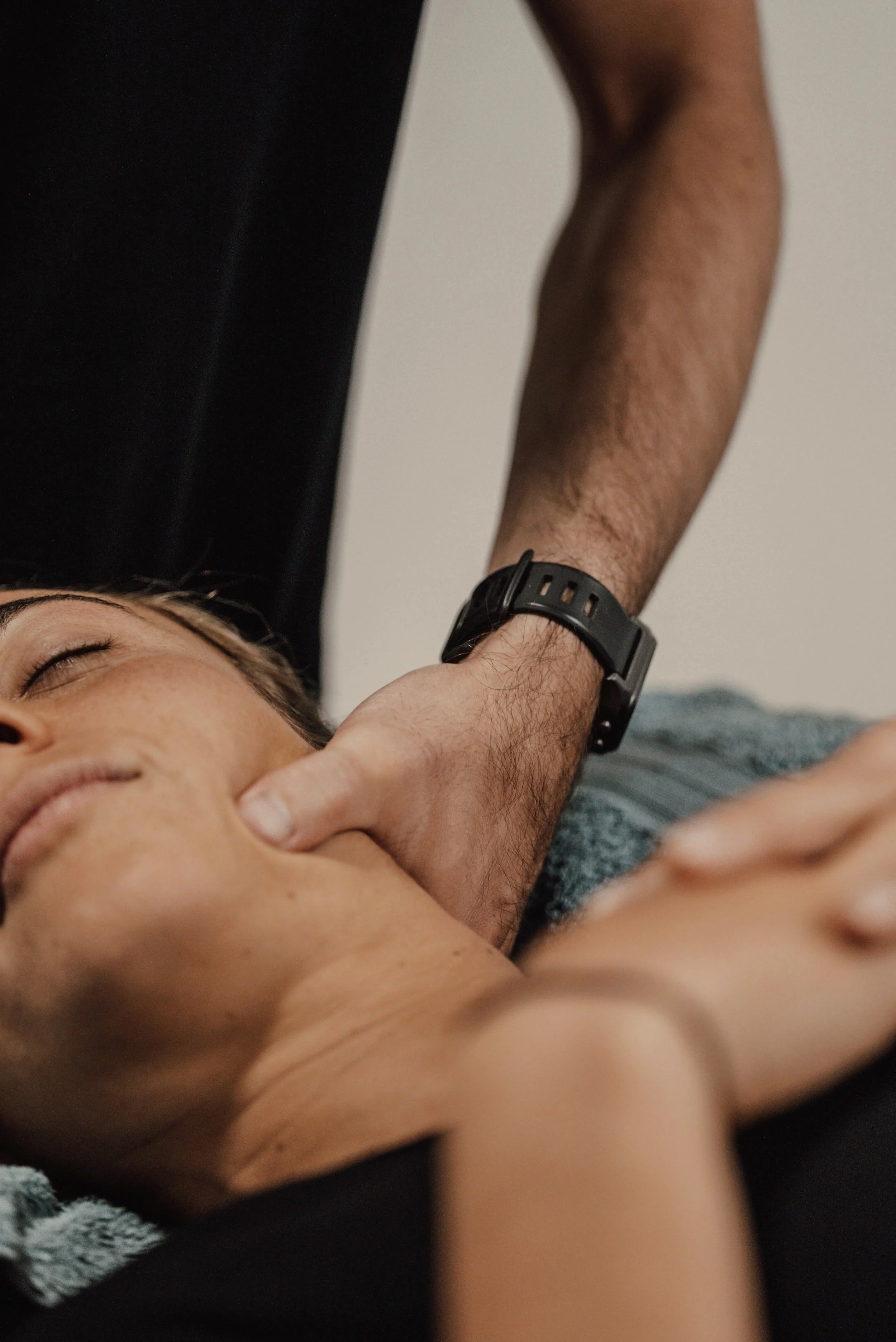
Headache & Migraine Clinic in Tweed Heads

At our Medela Osteopathy & Co clinic in Tweed Heads we have a specific protocol for migraine and headache patients. Our principal osteopath Nathanael has trained with leading headache and migraine clinician Jon Marshall out of Singapore to develop a method that can help reduce frequency and intensity of migraines and other kinds of headaches without drug intervention.
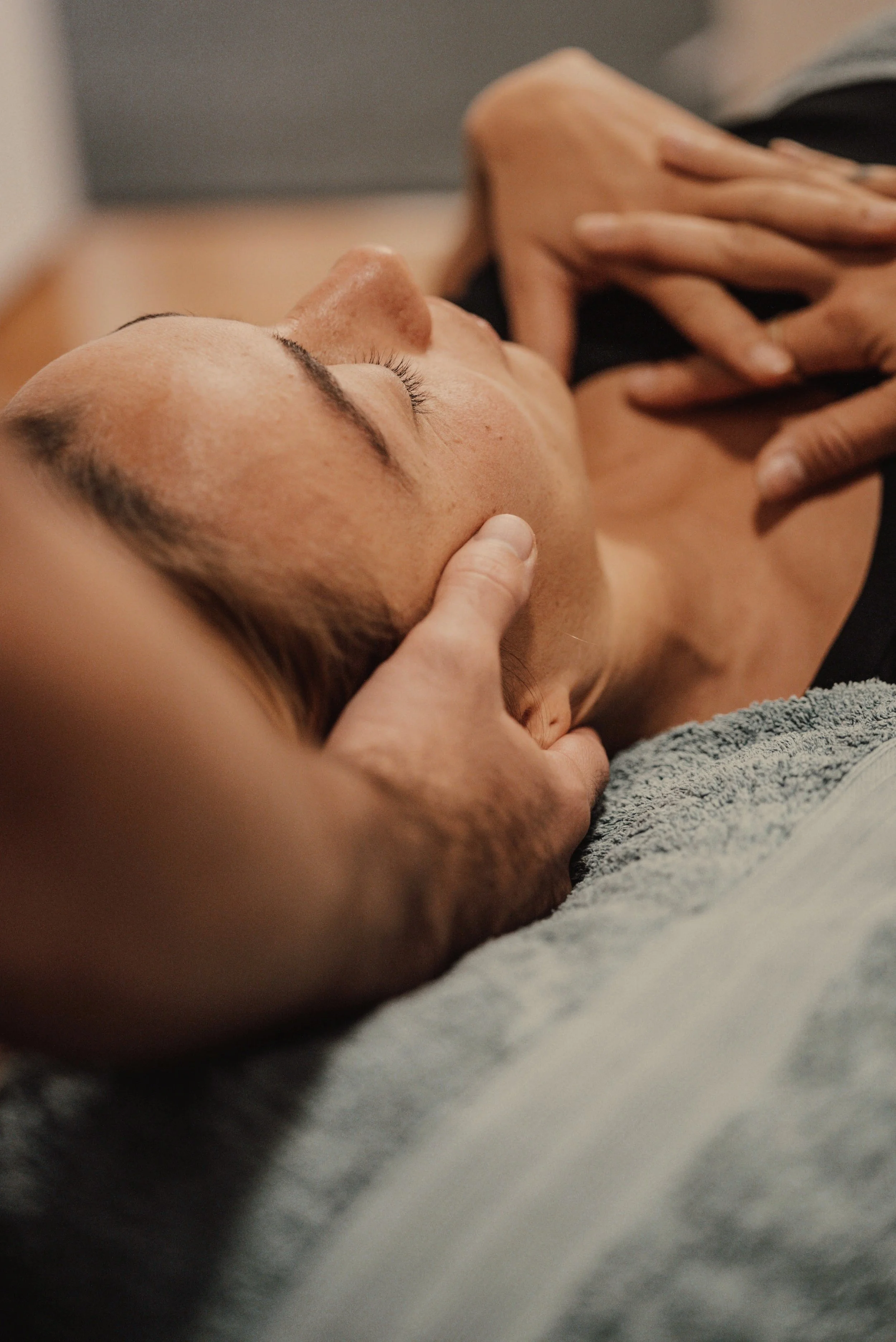
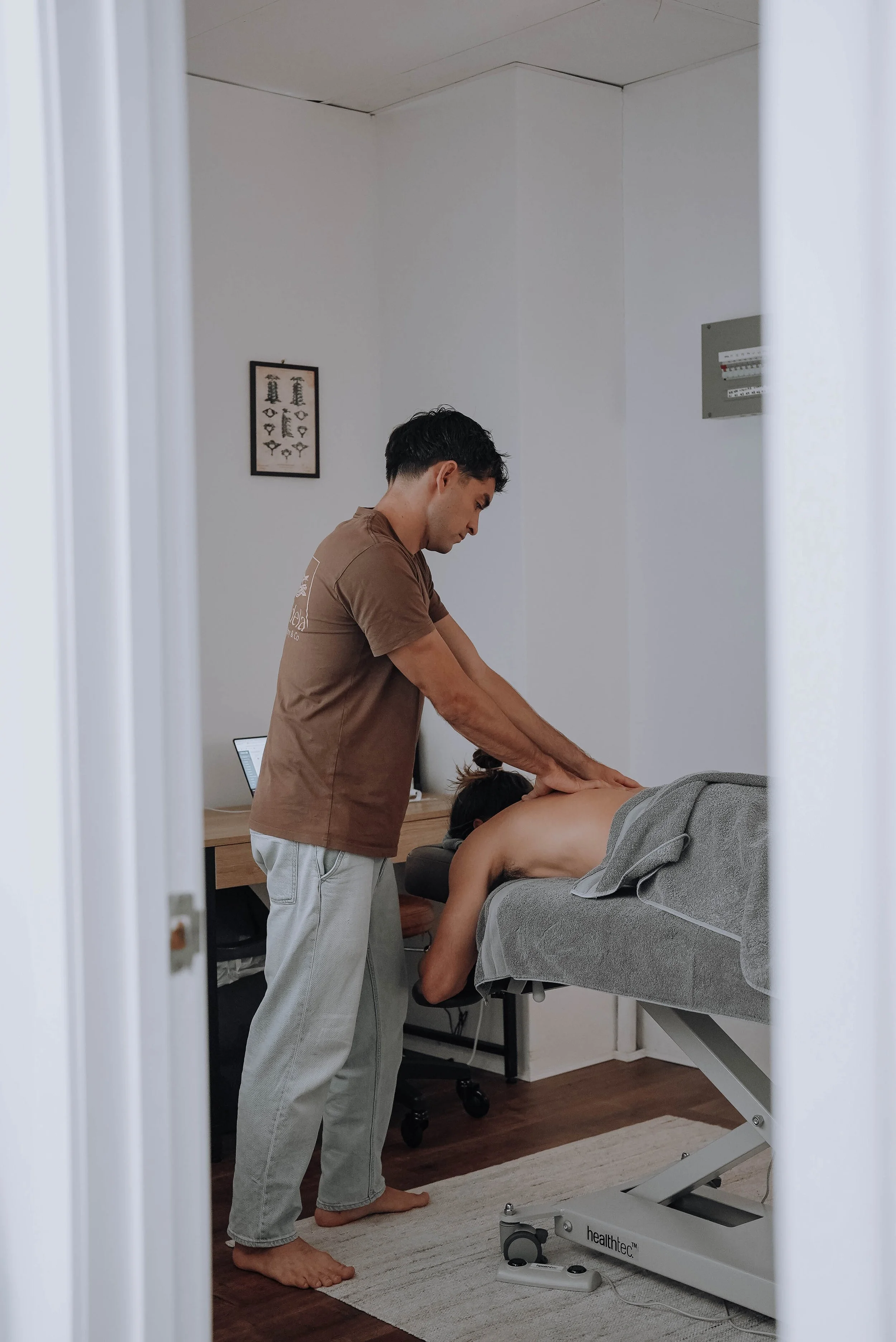
What is involved in a headache or migraine appointment?
After a thorough assessment and case history we aim to identify all triggers and contributing factors for your headaches. These factors may differ greatly from person to person which is why we take the time to do these lengthy assessments.
After this an individualised plan will be developed that typically includes elements such as manual treatment (Osteopathy, needling, etc.), specific exercise protocols, lifestyle interventions and more.
Headache and migraine appointments run for 60 minutes and cost $149. Private health rebates apply, and Medicare rebates are available with a GP care plan.
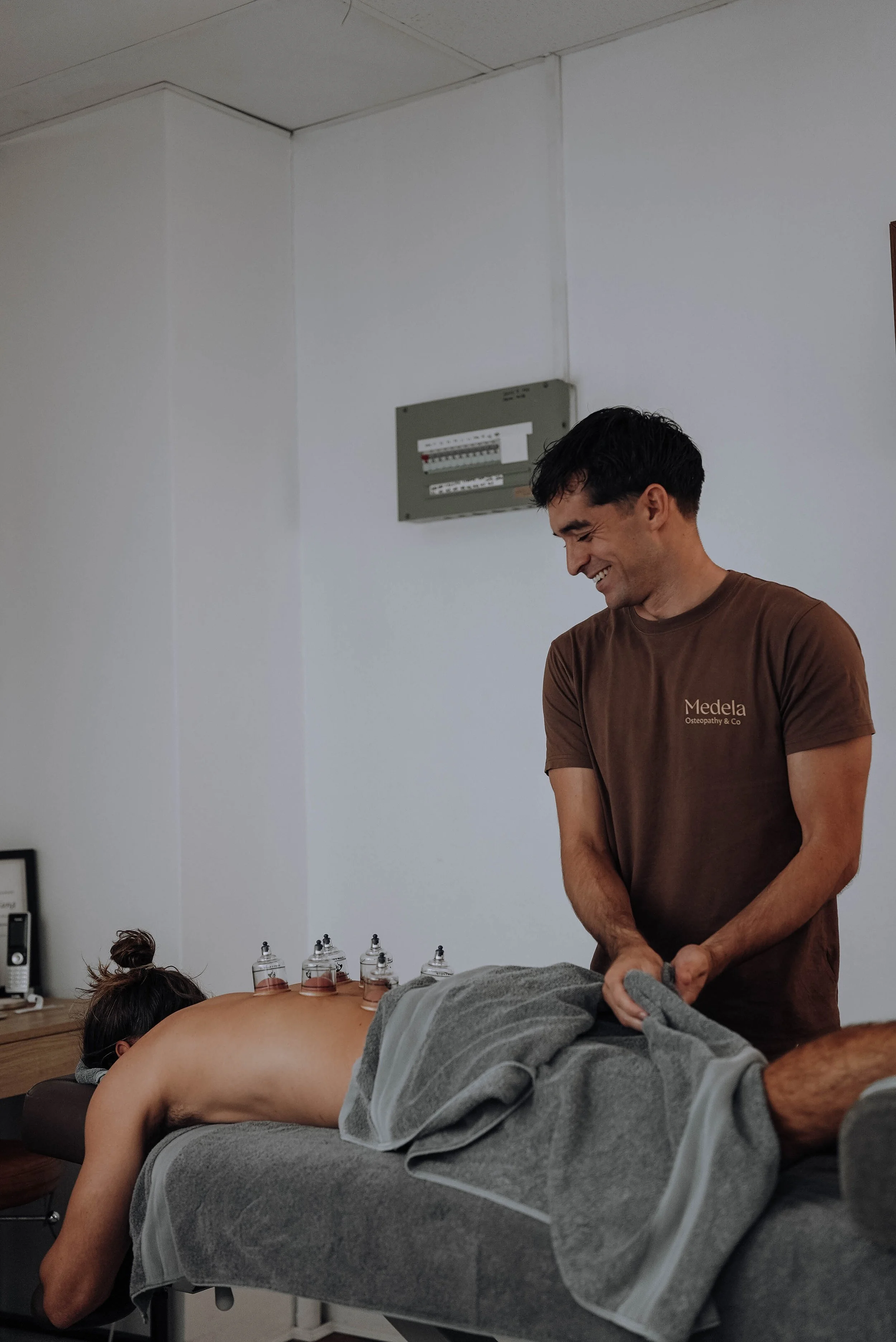
Headaches we treat
Not all headaches are the same, and the right treatment depends on what's driving yours. Here are the types we see most often. Scan the descriptions to see which sounds most like you.
Tension-type headache
A dull, steady ache or band-like pressure around the forehead, temples or back of the head. Often linked to stress, long hours at a screen, poor sleep and tight neck and shoulder muscles. Read more about tension headaches.
Cervicogenic (neck-related) headache
Usually one-sided, starting in the neck or base of the skull and spreading to the forehead or behind the eye. Often comes with a stiff neck and is worse with certain neck movements or sustained postures. Read more about cervicogenic headaches.
Migraine
A moderate to severe, often throbbing headache, commonly on one side, that can last from hours to days. Often comes with nausea, sensitivity to light or sound, and sometimes visual disturbances (aura) beforehand. Read how the neck can contribute to migraines.
Headache at the base of the skull
Aching or tenderness right where the skull meets the neck, sometimes shooting up over the head. Frequently linked to tight upper neck muscles and long periods looking down at phones and laptops. When the occipital nerves here become irritated, it’s clinically known as occipital neuralgia. Read more about base-of-skull headaches.
Jaw-related (TMJ) headache
Aching around the temples and jaw, often worse in the morning, and sometimes with jaw clicking, clenching or teeth grinding. The jaw, neck and head are closely connected, so we assess all three.
And more
Beyond these common types, we also help with many other headaches that have a musculoskeletal component. These include headaches following whiplash or a minor knock to the head (once you've been medically cleared), exercise-related headaches, and headaches linked to posture, work setup or jaw clenching. If your headache type isn't listed here, get in touch and we can let you know whether we can help, or point you to the right person if we can't.
Not sure which one fits? Our guide on how to tell tension, cervicogenic and migraine headaches apart is a great place to start.
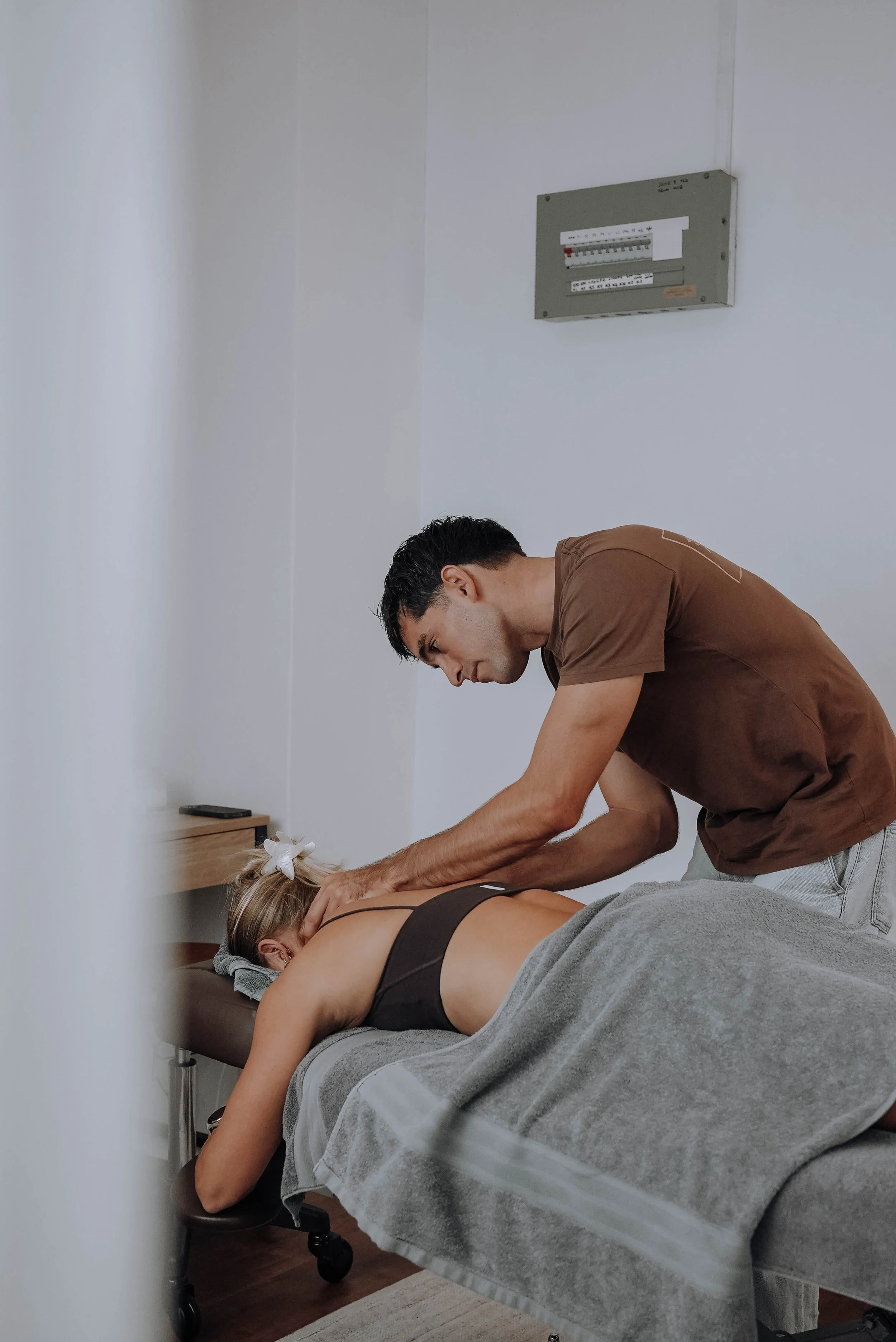
The neck and headaches
One of the most common things we hear in the clinic is "my headaches always seem to start in my neck". There's a good reason for that.
Why neck problems can be felt in your head
The nerves from the top three joints of your neck feed into the same relay centre in the brainstem as the trigeminal nerve, which supplies sensation to your forehead, temples and face. Because these signals meet in the same place, your brain can't always tell where pain is coming from. Irritation in the upper neck joints and muscles can be felt as pain in the head, behind the eye or across the forehead. This is called referred pain. You can read more about this connection in our article on the trigeminal nerve and the upper neck.
When the neck is the cause, and when it's a contributor
For some people the neck is the main driver of their headaches. This is known as a cervicogenic headache. For others, the neck is one of several contributors that lowers their threshold for a headache or migraine, alongside stress, sleep, hormones, diet and screen time. Many people with migraine also notice neck pain or stiffness before or during an attack, which is why we always assess the neck as part of a headache consult. Find out more about how the neck can contribute to migraines.
Everyday habits that load the neck
Long hours at a desk or laptop, looking down at a phone, driving, sleeping in awkward positions and carrying stress in your shoulders all place extra load on the upper neck. Over time, that can leave the small muscles at the base of the skull tight and sensitive.
How we help
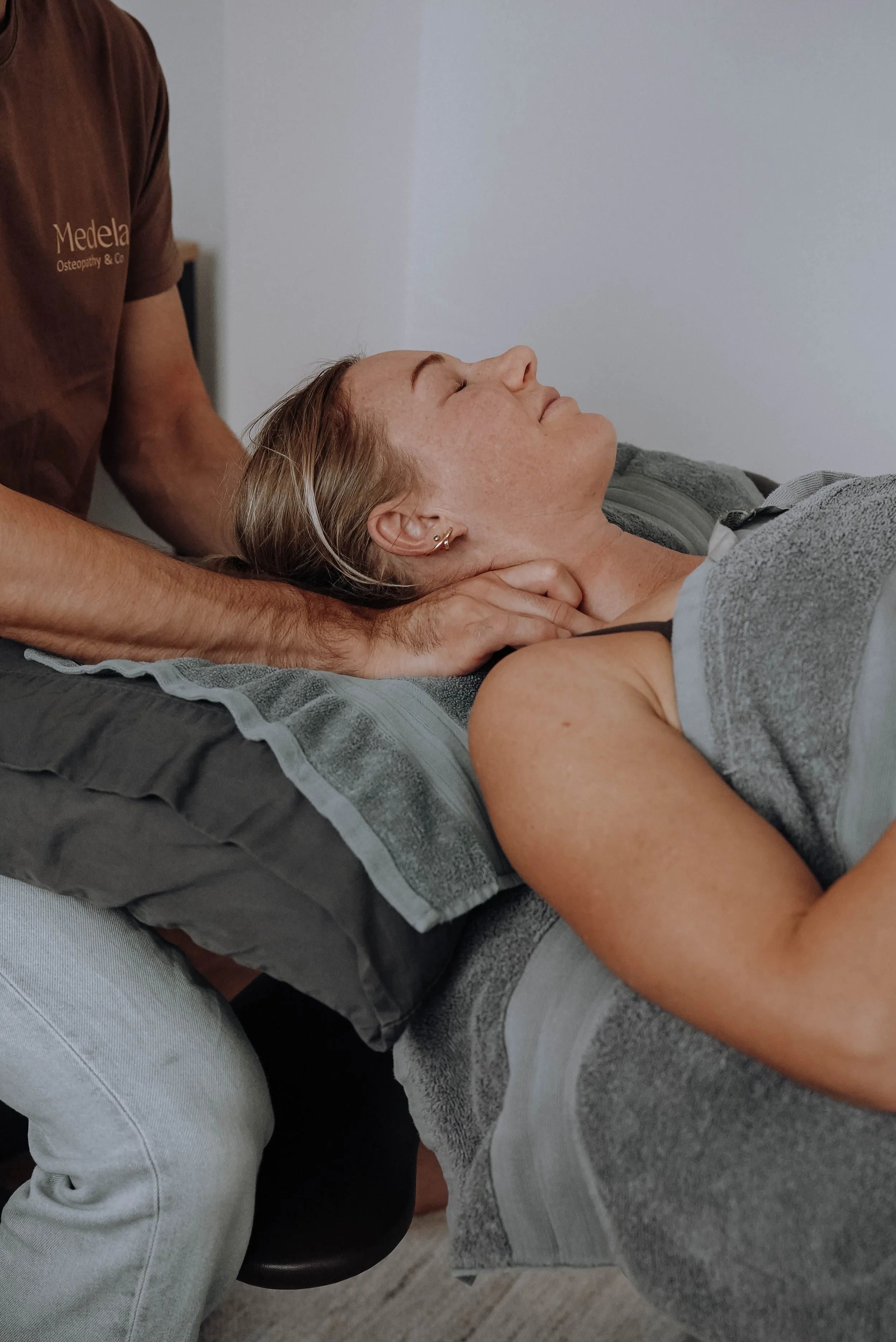
We assess how your upper neck, upper back and jaw are moving, along with your posture, workstation, sleep and other triggers. Treatment may include hands-on osteopathic techniques, dry needling, targeted exercises to strengthen the deep neck muscles, and practical advice to reduce the load on your neck day to day.

-
Current scientific consensus is that migraine is caused by issues in the brain stem (the portion of your brain that runs down into your neck). This gives great potential for a skilled osteopath to be able to come in and provide potentially significant relief.
-
Headaches can be broken into two main categories: Primary headaches include migraine, tension-type headache and cluster-type headache. These are the most common headaches and Osteopathy can help greatly with the musculoskeletal triggers for these. Secondary headaches are a much larger category with close to a dozen other types of headaches, some of these can be helped and some cannot. The best way to know what type of headaches you get is to come in and get assessed by a skilled clinician. Dr Google is very misleading when it comes to diagnosing the nuances in different headaches.
-
For most chronic conditions a certain level of maintenance is recommended to help stave off symptoms. Most peoples headaches have recurring triggers and managing these can be an ongoing process that can be managed both at home and in the clinic.
-
During a headache is a great time to come in if you are able to get out of the house. Although you do not need to have a current headache when you come in and get assessed.
When you have a headache we may be able to help resolve the current episode. When you do not we will focus more on addressing all the contributing factors.
-
Yes. Osteopaths assess and treat the muscles, joints and nerves of the neck, upper back and jaw that commonly contribute to headaches, and combine hands-on treatment with exercise and lifestyle advice. Research support is strongest for tension-type and neck-related (cervicogenic) headaches.
-
Osteopathy doesn't cure migraine, but many people with migraine have neck involvement and other triggers that treatment can address. For some people, this helps reduce how often migraines occur or how severe they are. We work alongside your GP or neurologist rather than replacing any medication they've prescribed.
-
It varies depending on the type of headache, how long you've had them and what's driving them. After your first assessment we'll explain what we've found, give you an estimate of how many sessions to expect and review your progress as we go.
-
No. You can book a headache consult directly online. If you'd like to claim through Medicare, you'll need a care plan from your GP before your appointment.
-
Yes. If you have extras cover that includes osteopathy, you can claim a rebate through your private health fund. Medicare rebates are available with a GP care plan (Chronic Disease Management Plan). Check with your fund or GP to confirm what you're eligible for.
-
See a doctor urgently if you have a sudden, severe 'worst ever' headache, a headache after a head injury, headache with fever and a stiff neck, or new symptoms such as weakness, numbness, slurred speech, confusion or loss of vision. You should also see your GP if your headaches are new and you're over 50, or if they're getting steadily worse. If we notice any warning signs during your assessment, we'll refer you on.